Guidance & more resources
Along with our free classroom resources we want to give teachers the confidence and tools to address controversial and difficult topics in the classroom.
Use our guidance section for up-to-date briefings, ideas on how to make the most of your tutor time, and opportunities for cross curricular projects.
Log in or register to access for free
Understand how social media links to extremism and its impact in schools. This briefing outlines key context, recent UK developments, practical tools, and a glossary to help staff spot and respond to online-influenced risks.
Learn more
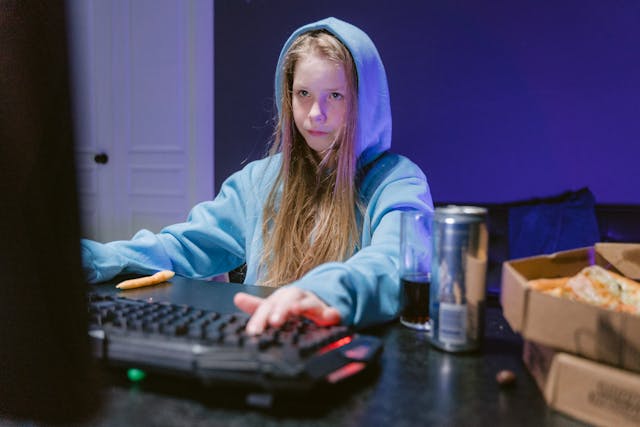
Understand how extremists exploit online gaming to influence young people. Outlining risks like propaganda, hidden hate, gamified recruitment, and covert communication, and providing key context, updates, and a glossary.
Learn more
Understand how online influencers drive far-right radicalisation - how figures like Andrew Tate and Tommy Robinson spread extremist narratives, target youth, and shape online spaces, includes context and a glossary.
Learn more
Understand how online misogyny and gender-based violence fuel youth radicalisation - outlining how misogynistic subcultures target adolescents, intersect with other extremisms, and how exposure can escalate into harmful behaviour.
Learn more
Understand mixed, unclear, or unstable (MUU) extremist ideologies, where young people blend conspiracies and grievances outside traditional categories. The briefing offers context, examples, and guidance to help staff recognise and respond.
Learn more
Understand how conspiracy theories endanger young people online. The briefing outlines why such narratives appeal to youth, how digital platforms accelerate their spread, and offers context and guidance to support staff.
Learn more
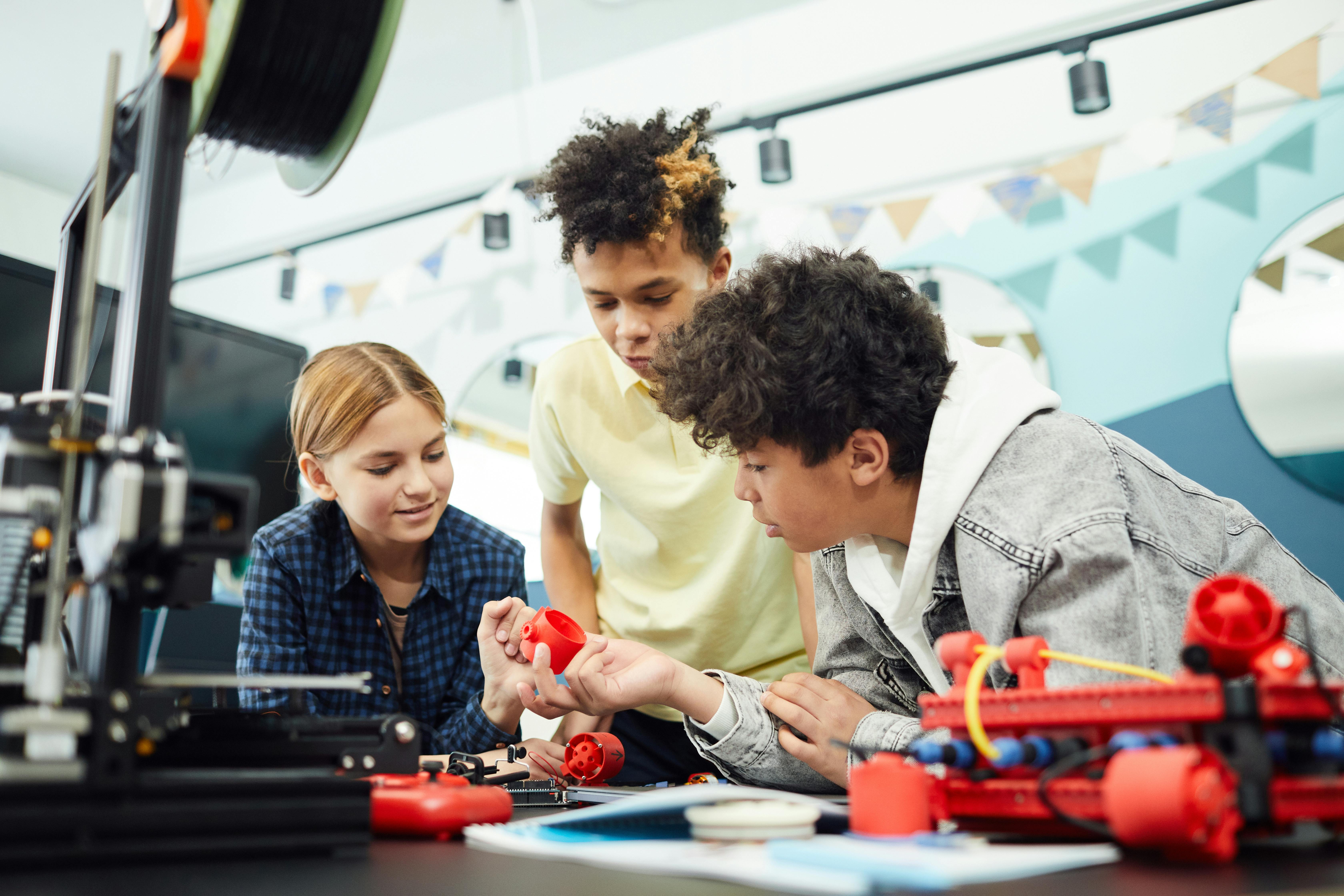
Understand risks from extremists misusing generative AI and 3D printing. This briefing outlines how these tools can fuel propaganda, disinformation and provides context and guidance on what staff should be aware of.
Learn more
In 2021, SINCE 9/11 commissioned the University College London’s Institute of Education to conduct research into the role of schools in responding to extremism. The purpose of the research was to improve understanding of how...
Learn more
Developed as a response to the recommendations contained in the SINCE 9/11 commissioned research by UCL entitled ‘Addressing Extremism Through the Classroom’ published in 2021.
Learn more
This document aims to provide teachers with some general guidance on how schools might approach disinformation and conspiracy theories amongst pupils. It contains summaries of some research in this area; discussion of general principles; ‘reactive’...
Learn more
If you search 9/11 online its is likely that it will lead you to many conspiracy theories. In fact, take any political or social issue and you are bound to find ‘alternative facts’. We’ve all...
Learn more
None of the pupils in school today were born in September 2001, and many will be wondering what happened that day and why it happened. They may have questions about the day itself or about...
Learn more
Supporting students and staff during the difficult period immediately following a terrorist attack can be extremely challenging. SINCE 9/11 prepared this free guidance note with example assembly and tutor time activities to support your school...
Learn more
On December 10th 2020, SINCE 9/11 in partnership with UCL Institute of Education, brought over 10,000 students from almost 300 UK secondary schools to an online event focusing on learning about 9/11 and why it...
Learn more
For many people searching for information on the events of 9/11, the very first things they will encounter are conspiracy theories. From just days after the attacks, alternative theories of what happened, and who had...
Learn more
The activities and resources contained in the SINCE 9/11 Education Programme can be used to plan enriching and engaging cross-curricular activities.
Learn more
This guidance provides advice for teachers on how you can tackle teaching about 9/11 and its consequences, and other sensitive topics, in your classroom.
Learn more